Pet-safe is a practice, not a label.
Animals live at floor level and put their mouths on things. That changes what matters, and almost none of what matters is printed on a bottle.
- Dogs, cats, birds, small mammals
- No essential oils around cats
- Enzyme, not fragrance
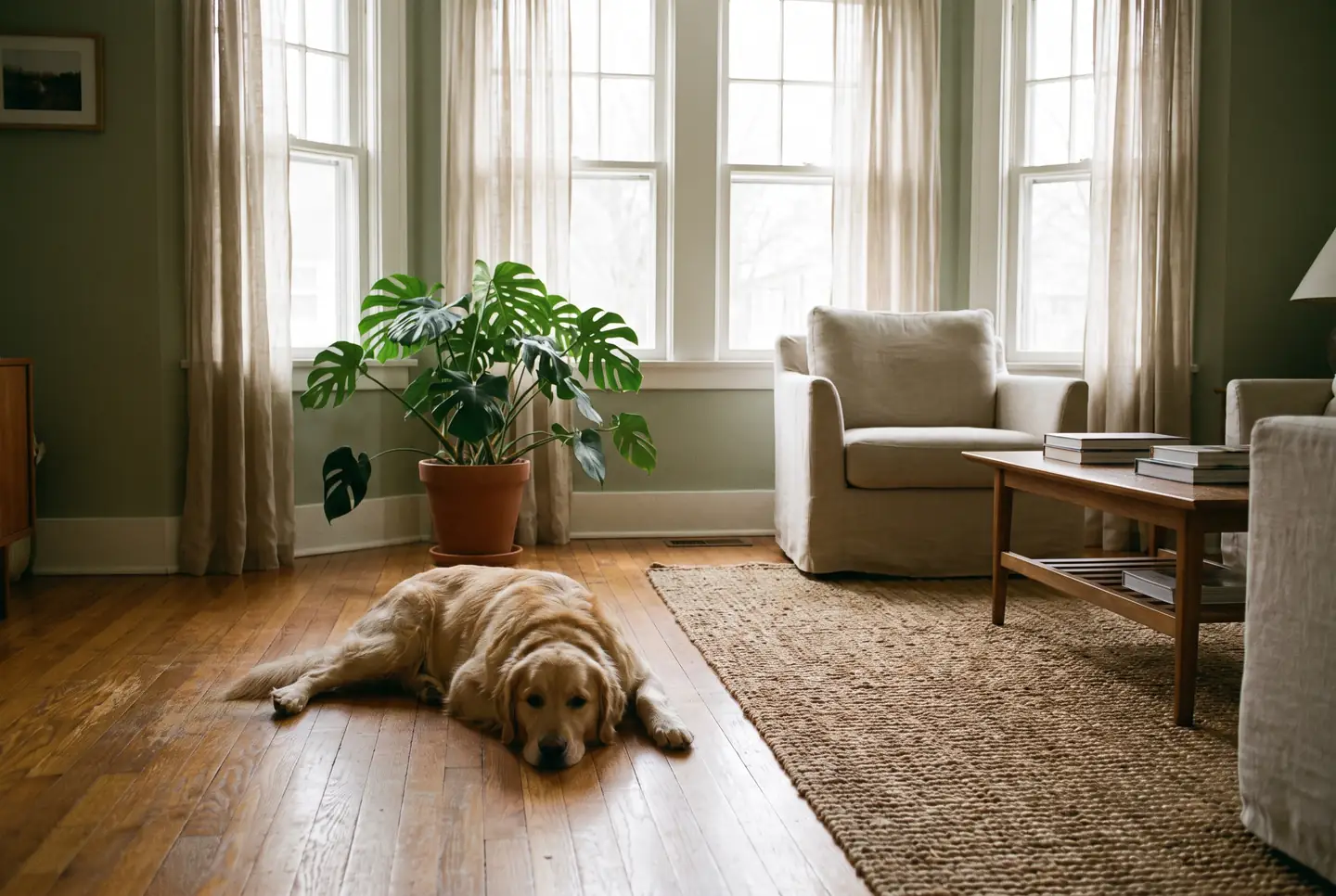
The phrase deserves the same scepticism as "non-toxic".
Pet-safe is not a regulated claim either. There is no test a product passes to earn it and no body that checks. What actually protects an animal is the method: what gets rinsed, what never comes into the house at all, and where the bottles are while nobody is looking.
Four risks worth naming.
Residue on floors
A dog licks its paws. Whatever stayed on the floor goes into the animal. This is the real exposure route, and it is fixed by rinsing rather than by buying a gentler bottle.
Essential oils and cats
Feline livers are short on the glucuronidation pathway that handles phenols and many terpenes. Tea tree, pine, citrus and eucalyptus oils are all genuinely risky. We do not use them in a house with a cat.
Concentrates left within reach
Nothing stays out. Products travel in a closed caddy and go back to the van at the end of the visit, because a curious animal and an open bottle is the accident that actually happens.
Dander, not just dirt
Pet allergen is carried on fine particles that a leaky vacuum redistributes. Sealed HEPA machines are the difference between removing dander and aerosolising it.
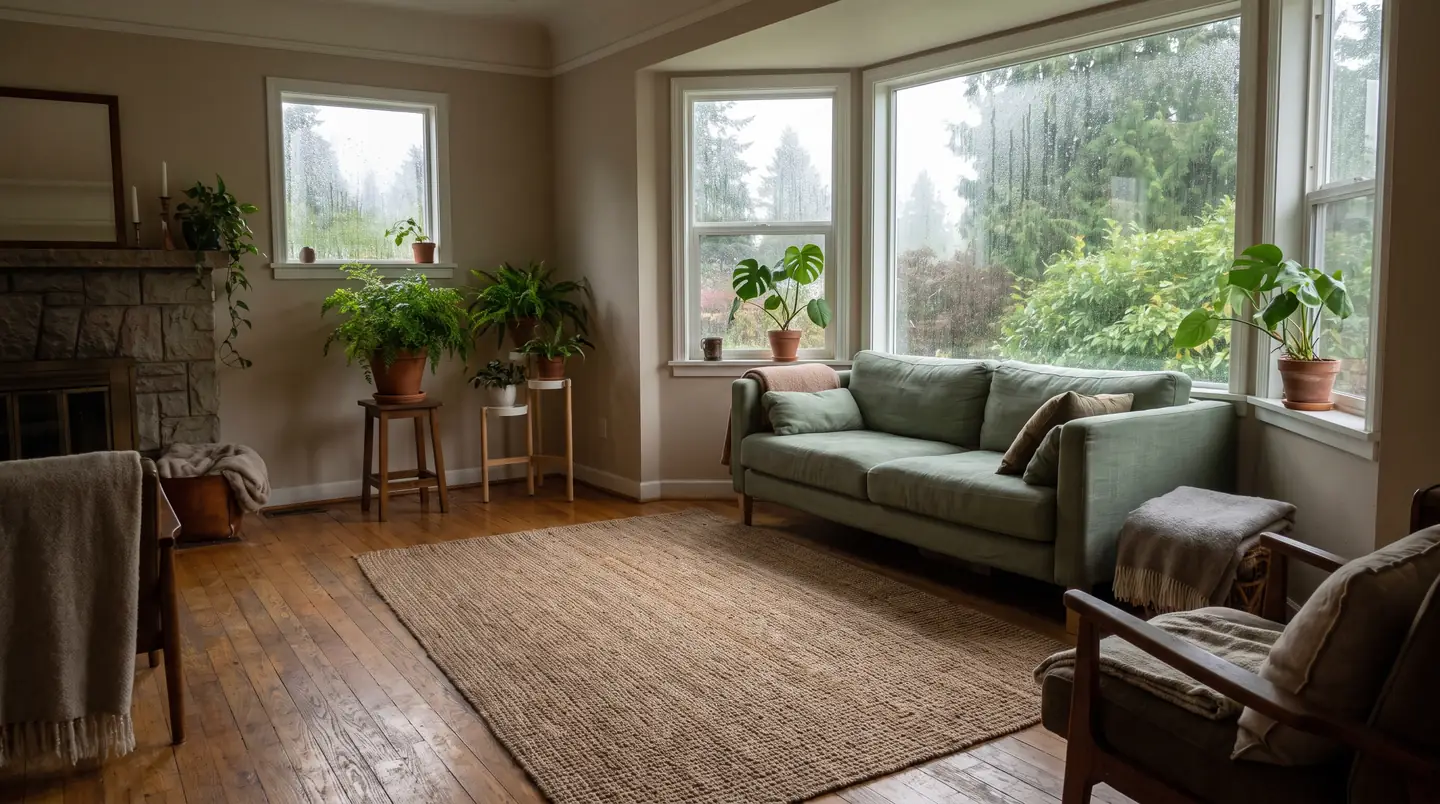
What actually happens on the visit.
- Floors and any surface at animal height get a clean-water rinse pass, not just a wipe.
- Bowls and feeding mats are washed with the food-contact protocol and rinsed, or left alone if you prefer to do them yourself.
- No essential oils in a household with a cat, a bird or a small mammal. Not on request, not once.
- Litter areas get the enzyme treatment, which removes the odour source rather than covering it. It is not a disinfectant and we do not call it one.
- Anxious animals get told about in advance. We will work room by room with doors closed, or reschedule if the day is wrong.
- Accidents on wood get treated with enzyme and blotted, never soaked, because water in open grain is how a board cups.
Where we stop and your vet starts.
We are cleaners. If an animal is unwell, has had a reaction, or has ingested something, that is a veterinary question and we will say so rather than guess. What we can do is tell you exactly what was used in the house, at what dilution, on which surfaces, and at what time, which is the information a vet will ask for first.
Every visit is logged that way as a matter of course, and the log is yours on request.
Tell us about the animals.
Species, temperament, where they sleep, what they lick, and anything they have reacted to before. All of it goes into the household file with the human sensitivities.